
Inherent flame resistant vs treated flame resistant: How to choose the right fabric
Fire resistant clothing is often the last line of defence in high-risk environments. But choosing between inherent and treated flame resistant fabrics is not always straightforward. This guide helps you understand the difference and make the right decision based on risk, durability and usage.
Quick answer: What is the difference between inherent and treated FR fabrics?
The main difference between inherent and treated flame-resistant (FR) fabrics is how flame protection is achieved. Inherent FR fabrics have flame-resistant properties built into the fibre's chemical structure, meaning these properties cannot be washed out. Treated FR fabrics obtain their flame resistance through an applied chemical treatment, making their long-term performance dependent on treatment durability and proper laundering.
Inherent FR fabrics are often preferred for demanding, long-service workwear applications, while treated FR fabrics generally offer lower initial costs, cotton-like comfort and greater flexibility in fabric constructions. Neither is automatically safer: the best choice depends on certified protection, workplace risks, garment care and total cost of ownership.
Introduction: Why the inherent vs treated FR choice matters
Flame resistant (now often referred to as 'FR') clothing serves as the last line of defence against arc flash, flash fire, molten metal, and welding sparks across sectors such as oil and gas, utilities, metalworking, and rail. Many garments on the European market use either inherent FR fabrics, such as aramid or modacrylic blends, or treated FR fabrics, typically FR cotton finished with phosphorus-based chemistries like Proban or similar systems.
This article is written for garment manufacturers, safety managers, and technical buyers who must justify fabric choices in tenders, internal safety policies, and supplier briefings. The objective is to compare inherent versus treated flame resistant fabrics in structural terms, wash durability, real-world performance, and lifecycle, so readers can align fabric choice with risk level and garment replacement strategy.

What does “inherent flame resistant” mean?
Inherent FR fabrics are flame resistant because the fibre’s polymer structure itself is non-flammable or self-extinguishing, not because of a later chemical coating. In practice, this means the flame resistance is a permanent, intrinsic property that cannot be removed by laundering, abrasion, or normal wear.
Typical inherent FR fibres used in Europe include:
- Aramids (meta-aramid and para-aramid, such as those used in Nomex and Kevlar)
- Modacrylic fibres and modacrylic blends
- High-performance viscose blends with inherent flame resistant properties
- Inherent fr viscose
When a flame or arc hits inherent FR fabric, the fibre chars or carbonises instead of melting or continuing to burn. This behaviour is permanent. The flame resistant performance is built in for life, it does not wash out, abrade off, or disappear with normal, compliant industrial laundering when the fabric and garment are used within their certified conditions.
Some commercial inherent fabrics are actually blends, for example, 60% modacrylic, 39% cotton, and 1% antistatic fibres. Even when the blend includes non-FR fibres, the overall construction is designed so that the protective properties remain throughout the garment lifespan.
What does “treated flame resistant” mean?
Treated FR fabrics use base fibres that are normally flammable, often cotton or cotton-rich blends, and make them flame resistant via a chemical treatment during fibre, yarn, or fabric finishing. These are sometimes called chemically treated fabrics.
In everyday terms, the treatment works as follows: when exposed to heat or flame, the fire retardant finish promotes char formation and interrupts the combustion process through a chemical reaction. This helps the fabric self extinguish once the ignition source is removed.
The FR effect is tied to the integrity of the chemical finish. Repeated industrial washing, high pH detergents, chlorine bleach, or overdrying can gradually reduce performance if laundering does not follow the care instructions and relevant standards.
Properly engineered treated fabrics can still pass demanding standards, such as ISO 11612 for heat and flame, En 14116 and EN ISO 11611 for welding, and IEC 61482-2 for arc flash, up to a defined number of wash cycles. This information must be communicated clearly to end users.
Structural difference: Fibre chemistry vs surface treatment
The core difference between inherent and treated flame-resistant fabrics lies in how the flame-resistant protection is achieved. Inherent FR fabrics derive their protection from the fibre chemistry itself, while treated FR fabrics rely on an applied chemical finish or coating.
Inherent FR fabrics
Protection built into the fibre
Inherent FR fabrics use fibres whose flame-resistant properties are part of the fibre structure itself.
- Protection built into the fibre structure
- Permanent flame resistance within the fibre chemistry
- Not affected by industrial washing in the sense that the FR property does not wash out
- No risk of FR treatment loss over time, because the protection is not dependent on a surface-applied finish
Treated FR fabrics
Protection added through finishing
Treated FR fabrics obtain their flame-resistant performance through a chemical finish or coating applied to the fabric.
- Flame resistance added through a chemical finish or coating
- Performance depends on washing conditions and maintenance
- Certified for a limited number of wash cycles
- Requires controlled maintenance to help preserve protective performance
Wash durability and laundering: How long does protection last?
Certification for FR performance is often linked to a specific number of wash and dry cycles, especially for treated FR fabrics used in industrial laundry settings.
Inherent FR fabrics, when tested under standards such as EN 14116 or ISO 11612 or IEC 61482-2, are normally certified to maintain performance for the full reasonable garment life. The FR property is not a surface finish that can wash off or worn away.
Treated FR fabrics in Europe are typically certified for around 50–75 industrial washes according to EN ISO 15797 (industrial washing), with some premium products tested beyond 100 cycles. However, “up to 50 or 75 washes” assumes washing within specified parameters:
- Controlled temperature
- pH-neutral detergents
- No chlorine bleach
- Controlled drying
Incorrect processes can significantly shorten effective protection, some studies suggest accelerating degradation by 2–3 times.
Recommendations for safety managers:
- Coordinate closely with industrial laundries to ensure processes follow garment labels and relevant washing standards
- Implement tracking systems for treated garments (such as barcode or RFID-based wash counting)
- Document replacement rules in company PPE policies
Inherent FR fabrics:
0 wash cycles (new): Full protection
25 wash cycles: Protection consistent
50 wash cycles: Protection consistent
75+ wash cycles: Protection consistent
Treated FR fabrics:
0 wash cycles (new): Full protection
25 wash cycles: Protection consistent
50 wash cycles: Protection dependent on correct wash
75+ wash cycles: Protection may decline, check certification
Not sure which FR fabric suits your application?
Performance in real-world applications
Both inherent and treated FR fabrics can be appropriate, but their suitability changes with environment, risk severity, and garment usage intensity.
Industrial laundering environments
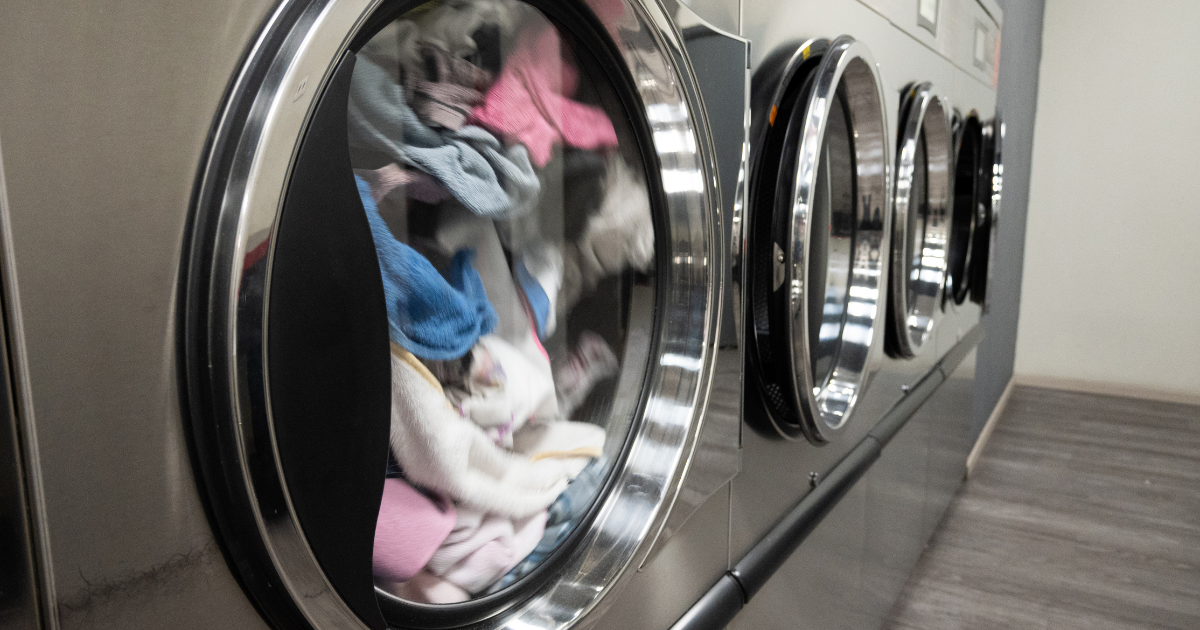
In typical European rental and laundry models where garments are washed weekly, inherent FR is often preferred for heavy industrial services. There is no need to manage wash-count related protection loss. However, high-quality treated FR can also be used with strict process control and garment tracking.
Advantages and limitations of inherent and treated FR fabrics
Inherent and treated flame-resistant (FR) fabrics both provide protection against thermal hazards when correctly specified and certified. However, they differ in cost, durability, laundering requirements, comfort and suitability for different working environments. The following comparison provides a detailed overview for technical buyers and safety professionals.
Advantages and limitations of inherent FR fabrics
The aim here is not to promote one type but to give a realistic overview for technical decision-makers.
Advantages of inherent FR fabrics
- Consistent flame-resistant properties over the entire garment life, provided the garment remains in serviceable condition.
- Resistance to wash-related degradation of inherent FR properties.
- Suitability for high-risk, long-service applications, including petrochemical plants and large utilities, subject to the required protective certification.
- Reduced need for wash-count monitoring specifically related to flame-retardant treatment durability.
- Many inherent FR fibre systems do not melt or drip under thermal hazards. Actual behaviour depends on fibre composition.
Comfort and weight considerations
Many modern inherent blends, such as modacrylic/cotton/ antistatic combinations, offer good moisture management and softness compared with older 100% aramid fabrics.
Some aramid-heavy materials may feel less breathable in hot climates, but textile innovations continue to improve comfort.
Limitations of inherent FR fabrics
- Higher purchase price per metre and per garment. In some comparisons, inherent FR fabrics may cost 2–3 times more than treated alternatives, depending on the composition and specification.
- Some very high-aramid-content fabrics may feel less breathable than alternative constructions.
- Repairs may require matching FR sewing threads and compatible components to maintain the garment's certified protective performance.
- Limited fibre-blending options can restrict certain extreme fabric weight ranges.
Advantages and limitations of treated FR fabrics
Treated FR fabrics have evolved significantly since the 1980s and 1990s. Modern products can be reliable when selected and managed correctly.
Advantages of treated FR fabrics
- Lower initial fabric and garment cost compared with many inherent FR alternatives.
- Familiar cotton-like comfort and breathability.
- Wide availability of weights and constructions, for example 260–350 g/m² FR cotton twills.
- Ease of styling for multi-purpose workwear ranges, available in various colours and suitable for different style requirements.
- A practical choice for sectors with moderate risk and high garment turnover, provided the garments meet the hazards identified in the workplace risk assessment.
Limitations of treated FR fabrics
- Protection is tied to the treatment's durability and the fabric's continued conformity with its protective requirements.
- If treated garments exceed their validated wash limits, are washed with chlorine bleach, or are heavily abraded, FR performance can decline without obvious visual signs.
- Laboratory observations have reported approximately 15% failure rates after 60 wash cycles in some cases. This figure is study-specific and should not be generalised across all treated FR fabrics.
- Some treatments may add stiffness or weight to the fabric, affecting its hand feel and comfort.
Recommended garment care and replacement
Buyers implementing treated FR garments should establish clear replacement procedures based on the manufacturer's validated laundering limits, garment condition and workplace risk assessment.
Weekly or regular visual inspection routines should check for thinning fabric, severe soiling, abrasion, damaged seams and other signs of deterioration.
Visual inspection alone cannot reliably confirm that FR performance remains intact.
Direct comparison: Inherent vs treated FR fabrics
Compare inherent flame-resistant (FR) fabrics and chemically treated FR fabrics across durability, washing performance, cost and applications. This overview helps workwear manufacturers select suitable flame-resistant textile solutions.
Comparison point | Inherent FR fabrics | Treated FR fabrics |
|---|---|---|
Origin of FR | Built into fibre polymer structure | Surface or through-fabric chemical treatment |
Typical base fibres | Aramid, modacrylic, oxidised PAN | Cotton, cotton/nylon blends |
Wash durability | FR properties generally last for the lifetime of the fibre | Typically designed for 50–75 industrial wash cycles, depending on fabric and treatment |
Sensitivity to laundering | Low for inherent FR properties | Higher; requires strict process control |
Upfront cost | Higher; can be 2–3 times the cost of treated alternatives | Generally lower |
Long-term cost | Can be lower in high-wash environments | Can be lower in short-contract, low-wash scenarios |
Risk suitability | Often selected for high-risk or continuous-exposure applications | Can suit moderate or intermittent exposure, subject to required certification |
Melt/drip behaviour | Depends on fibre composition; many inherent FR fibres resist melting and dripping | Depends on the base fibres, treatment and fabric construction |
Note: Performance depends on the specific fibre composition, treatment, fabric construction, laundering conditions and applicable standards. Always verify certified performance for the intended application.
Cost considerations
Inherent FR may have higher upfront cost but can be more economical over the full garment life in high-wash, long-service environments. Treated FR may be more economical for shorter contracts or lower wash frequencies.
Fire safety compliance
Both categories can meet the same EN and IEC standards. The choice is not about “passing or failing” standards but about how easily that performance can be maintained in real life use.
Frequently asked questions
This FAQ covers typical questions that arise once safety teams start comparing inherent and treated FR options, focusing on practical details. Individual company policies and local regulations may impose stricter requirements than the general guidance provided here.
Is inherent flame-resistant fabric always safer than treated FR fabric?
Inherent FR is not automatically safer. Safety depends on correct garment design, certification (such as ISO 11612 or IEC 61482), and suitability for the identified hazards. Inherent FR generally offers more stable performance over time, especially under frequent laundering, which can make it a safer choice in high-risk, long-service contexts.
However, high-quality treated FR garments, used within their certified wash limits and cared for correctly, can deliver comparable protection for many applications. Both fabric types can protect workers effectively when properly specified.
How can a safety manager know when treated FR garments should be replaced?
Implementing a tracking system, such as barcodes or RFID tags linked to laundry data, allows each garment's wash count to be compared against the certification limit (for example, 50 or 75 industrial cycles).
Combine this with routine visual inspections for thinning fabric, tears, heavy contamination, or damage around stress points like knees, elbows, and seams. Replace garments that show significant wear even before the wash limit is reached.
Document replacement rules in the company's PPE policy so line managers and supervisors can act consistently.
Do inherent FR garments require any special washing practices?
While the FR property of inherent fabrics does not wash out, correct laundering is still essential to maintain garment integrity, seam strength, reflective tape adhesion, and other safety features.
Follow the care label and relevant standards (such as EN ISO 15797 for industrial washing), avoid chlorine bleach, and control high-temperature drying that may damage fibres or shrink garments.
Heavy contamination with oils, flammable liquids, or paints can compromise protection for any FR garment, so prompt and proper cleaning is always required.
Can inherent and treated FR fabrics be mixed within the same workwear programme?
Many organisations do mix fabric types, for example, using inherent FR coveralls for high-risk process areas and treated FR garments for maintenance or contractor work.
This mixing should be carefully managed so that each role's risk level is matched to the correct garment type and wearers understand which garments are approved for which zones.
Internal training and clear garment labelling can help avoid accidental use of lower-spec garments in high-risk areas.
Which standards should buyers refer to when comparing FR fabrics?
Key European standards include:
- EN ISO 11612 — Heat and flame protection
- EN ISO 11611 — Welding and allied processes
- IEC 61482-2 — Arc flash protection
- EN ISO 14116 — Limited flame spread
- EN ISO 15797 — Industrial washing processes
Focus not only on whether a fabric "has a certificate" but also on the test conditions, arc ratings (ELIM/EBT where relevant), and the number and type of wash cycles used in the certification.
Request test reports or summaries from suppliers so technical teams can compare like-for-like when selecting between inherent and treated FR options.
