

Fire Resistant Fabrics
Why flame resistant fabrics are crucial
Fire resistant fabrics, also known as flame resistant (FR) fabrics, are engineered to reduce the risk of injury in environments where heat, flames or thermal hazards are present. Unlike regular textiles, they resist ignition, limit flame spread and self-extinguish once the ignition source is removed. In high-risk situations, this controlled behaviour can make a critical difference by giving workers valuable time to react or escape.
From industrial production sites to oil and gas installations and electrical utilities, professionals are regularly exposed to sparks, heat or arc flash risks. In these environments, protective clothing is not simply a functional garment, it is a key component of workplace safety and regulatory compliance.
Protection against ignition
FR fabrics are designed to resist ignition and self-extinguish once the flame source is removed.
Reduced burn injuries
By limiting flame spread and heat transfer, flame resistant fabrics help reduce the severity of burn injuries.
Essential in high-risk industries
Industries such as oil & gas, utilities, welding and emergency services rely on FR fabrics for worker protection.
Compliance with safety standards
Certified flame resistant fabrics support compliance with safety standards such as EN ISO 11612 and other protective clothing regulations.
What does "flame resistant" really mean?
The term flame resistant is often misunderstood. It does not mean that a fabric is completely fireproof or indestructible. Fireproof materials do not exist in wearable textiles. Instead, flame resistant fabrics are designed to react in a controlled and predictable way when exposed to heat or flames.
What happens when flame resistant fabrics are exposed to heat?
Flame resistant (FR) fabrics are engineered to behave safely under thermal stress. In practice, this means they:
• Resist ignition when exposed to heat or sparks
• Self-extinguish once the flame source is removed
• Limit flame spread, reducing the risk of severe burns
How FR fabrics protect the wearer
When exposed to direct heat or flames, FR fabrics do not continue burning uncontrollably. Depending on the fabric construction, the material may:
• Char or thicken, creating a protective barrier
• Reduce heat transfer to the skin
• Prevent melting or dripping, which can cause severe secondary burns
Protection must also remain wearable
Because protective fabrics are worn directly on the body, safety alone is not enough. Flame resistant fabrics must also provide:
• Comfort for long working hours
• Flexibility and mobility
• Durability under industrial laundering
Together, these properties allow protective garments to perform reliably in demanding environments while keeping workers protected and comfortable.

Inherent vs. treated flame resistant fabrics
When selecting flame resistant fabrics (often referred to as FR fabrics), one of the most important distinctions to understand is the difference between inherent flame resistant and treated flame resistant fabrics. Both are used in protective textiles, but they achieve protection in different ways.
- Comparison

Inherent flame resistant fabrics
Inherent flame resistant fabrics
Inherent flame resistant fabrics are made from fibres that are naturally flame resistant by their chemical structure. The protection is built into the fibre itself and cannot be washed out, worn away or reduced over time. As a result, flame resistance remains effective for the entire lifetime of the garment.
These fabrics self-extinguish, resist melting and dripping, and help limit heat transfer to the skin. Because their performance does not rely on surface treatments, inherent flame resistant fabrics are particularly suitable for high-risk applications with frequent industrial laundering.
Treated flame resistant fabrics
Treated flame resistant fabrics
Treated flame resistant fabrics achieve their protective properties through a chemical finishing process applied to the fabric. This allows the fabric to meet relevant safety standards, such as EN ISO 11612, when correctly specified.
Treated flame resistant fabrics are typically certified for a defined number of industrial wash cycles and require controlled care and maintenance to ensure ongoing protection. They are often selected for applications where cost efficiency and controlled usage conditions are key considerations.
Making the right choice
Choosing between inherent and treated flame resistant fabrics depends on the working environment, laundering frequency, expected garment lifespan and regulatory requirements. Aligning these factors ensures the right balance between safety, durability and performance.
Not sure which FR type suits your needs?
Certifications and standards explained
Fire resistant fabrics used in protective textiles must comply with recognised safety standards and certifications. These standards help manufacturers, employers and safety managers assess protection levels and ensure regulatory compliance.
One of the most widely applied standards is EN ISO 11612, which defines protection against heat and flames in general industrial environments. Other key standards include EN ISO 11611 for welding, EN ISO 14116 for limited flame spread, and IEC 61482-2 for protection against electric arc hazards.

EN ISO 11612

EN ISO 11611

EN ISO 14116

IEC 61482-2
Flame resistant fabrics by sector and application
Selecting the right fire resistant or flame resistant fabric always starts with understanding the specific risks of the working environment. This process benefits from close alignment between fabric supplier, garment manufacturer and end user.
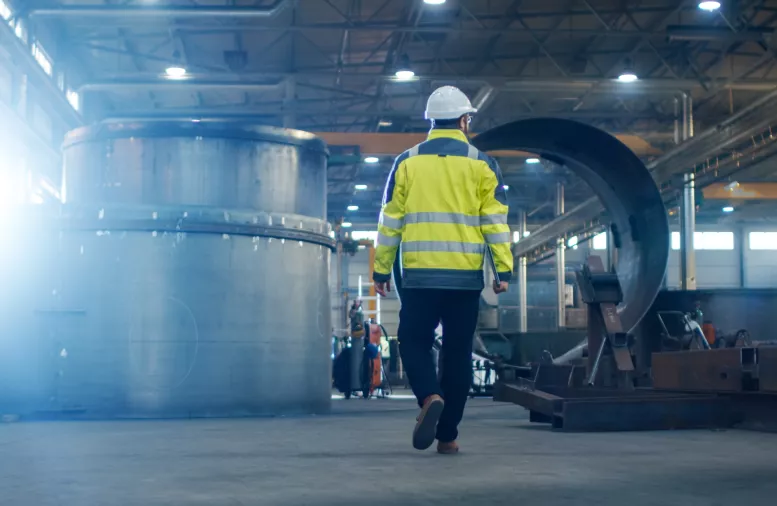
Workwear
Fire resistant fabrics for protective workwear must balance certified protection with comfort and resistance to repeated industrial laundering, especially in industrial and energy-related environments.

Military & police
FR fabrics must deliver reliable protection without compromising mobility or durability.
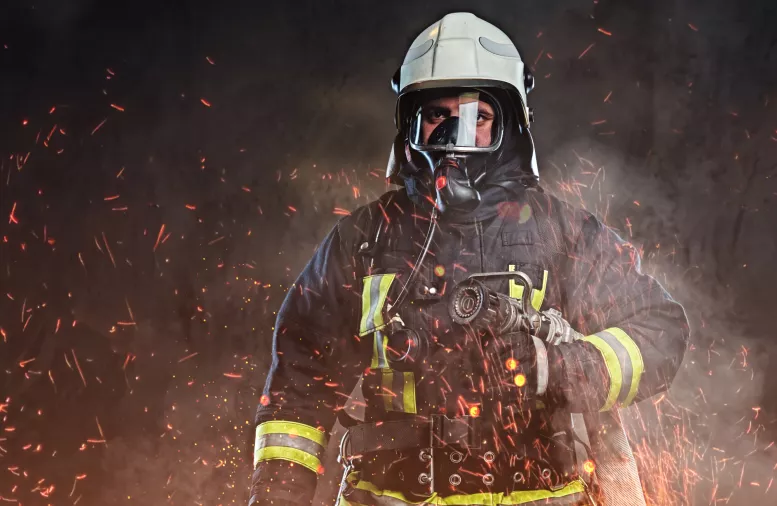
Fire services
Protective textiles must perform consistently within multilayer systems exposed to extreme heat.

Industrial applications
Fire resistant fabrics are selected based on process-specific risks, such as welding or thermal treatment.
Concordia Textiles’ expertise in flame resistant fabrics
Developing reliable fire resistant fabrics requires more than meeting technical standards alone. With nearly a century of textile expertise, Concordia Textiles combines advanced manufacturing capabilities with a deep understanding of protective textile applications.
Today, Concordia operates as a fully vertically integrated textile manufacturer with production sites across Europe and Asia. This integration ensures consistent quality and enables the development of flame resistant fabrics that meet both compliance requirements and real-world performance demands.
Over the decades, Concordia has developed a wide range of inherent and treated flame resistant fabrics designed for demanding industrial environments. Many of these fabrics are engineered to maintain their protective properties even after repeated industrial laundering.

Frequently asked questions
- Flame resistant fabrics

How long do flame resistant fabrics remain effective?
How long do flame resistant fabrics remain effective?
Inherent flame resistant fabrics retain their protective properties for the lifetime of the garment. Treated flame resistant fabrics are typically certified for 50 to 75 industrial wash cycles, provided correct laundering procedures are followed.
What is the difference between flame resistant and flame retardant fabrics?
What is the difference between flame resistant and flame retardant fabrics?
Both terms describe fabrics designed to limit ignition and flame spread. The key factor is not the terminology, but whether the fabric is certified and suitable for the intended application.
Are flame resistant fabrics comfortable to wear?
Are flame resistant fabrics comfortable to wear?
Modern flame resistant fabrics are designed to combine protection with comfort, offering breathability and flexibility suitable for long shifts and physically demanding work.
Can flame resistant garments be washed industrially?
Can flame resistant garments be washed industrially?
Yes, many are designed for industrial laundering. Inherent FR fabrics are unaffected by washing, while treated FR fabrics require strict adherence to care instructions.
Is one flame resistant fabric suitable for all applications?
Is one flame resistant fabric suitable for all applications?
No. Fabric selection should always be based on the specific hazard profile, working conditions and certification requirements.
How do I choose the right flame resistant fabric for my application?
How do I choose the right flame resistant fabric for my application?
The most effective approach is to start from the actual working conditions and risks, rather than from a specific fabric or standard. By assessing hazards, required certifications, garment design and expected service life, suitable flame resistant fabric technologies can be selected that balance safety, durability and wearer comfort.
Find the right fire resistant fabric for your application
Choosing the right fire resistant fabric is a key step in developing protective textiles that perform reliably in real working conditions. Concordia Textiles supports manufacturers and industry partners by helping translate safety requirements into fabric solutions that balance protection, durability and comfort.
