
Fabrics for workwear: How to choose the right fabric per sector
Choosing the right workwear fabric can make all the difference between a garment that protects and one that fails. Work clothes made from the wrong material can melt under welding sparks, soak through during rail maintenance, or lose protective finishes after a few washes. Comfortable workwear increases employee productivity and satisfaction, while the wrong choice creates risk and cost.
Think of workwear fabrics as a toolbox: pure cotton, polyester, cotton polyester, inherent flame retardant fibres like Nomex and Kevlar, multi-norm fabrics, stretch canvases, and other fabrics each offer unique benefits. This guide helps you choose fabrics per sector - not as a PPE catalogue, but as a practical fabric selection resource.
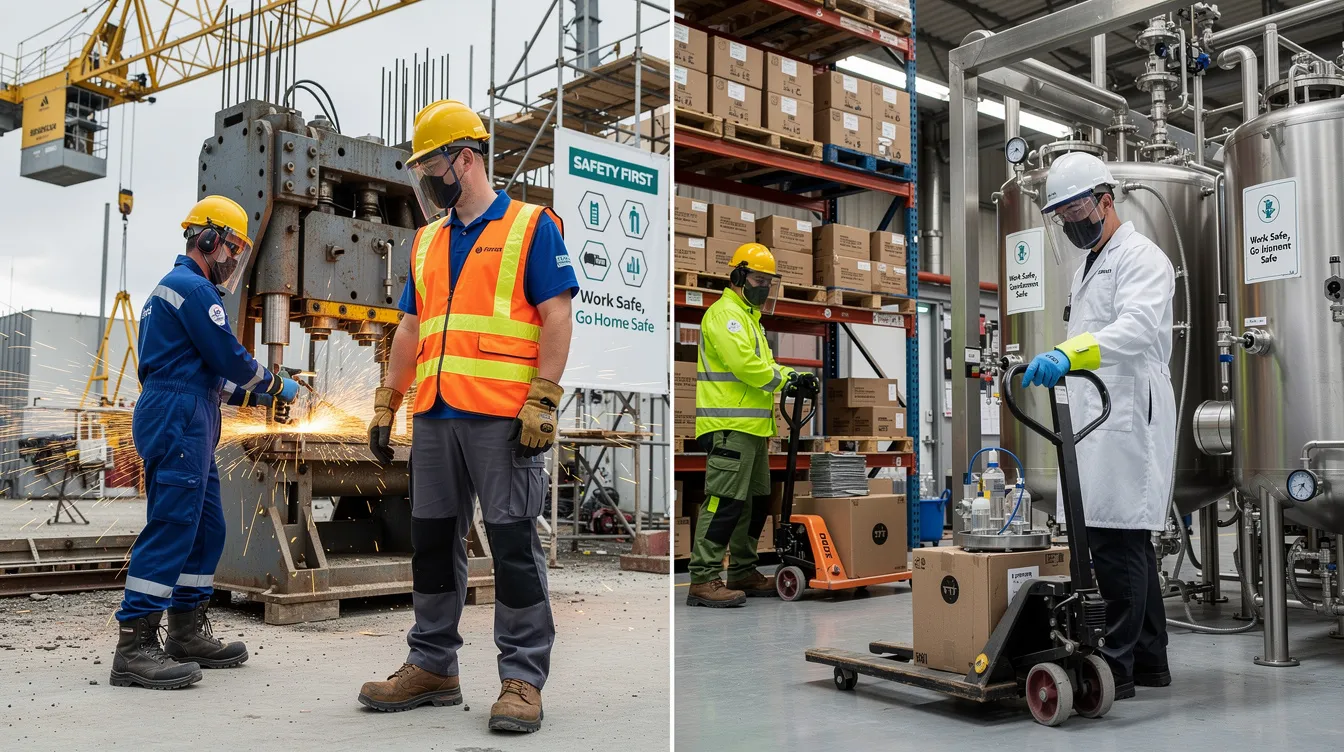
Core Fabric Qualities to Understand Before Choosing Workwear
The same base materials produce very different fabric qualities depending on weave (twill, canvas, ripstop), weight (typically 260–350 g/m² for general workwear), and applied finishes. Here are the important factors:
Durability and abrasion resistance
Canvas is highly abrasion-resistant and ideal for heavy-duty trades. Polyester is known for its durability and abrasion resistance. Durable fabrics withstand wear and tear in demanding jobs, tested via methods like EN ISO 12947-2 (Martindale).
Comfort and breathability
Cotton absorbs up to twenty-seven times its weight in water, providing softness against the skin. Breathable fabrics enhance comfort during long work hours. However, cotton is breathable but not flame-resistant without treatment. Linen is highly breathable and lightweight, while denim is known for toughness and breathability.
Stretch and ergonomics
Stretchable fabrics improve comfort for physical tasks. Synthetic blends incorporate nylon for tear resistance and spandex for stretch, critical for active roles involving kneeling or climbing.
Flame retardant and heat protection
Flame-retardant fabrics are crucial in fire-risk environments. Fire-resistant fabrics protect workers from fire sparks and arc flashes. FR fabrics resist fire and prevent flames from spreading. Inherent FR means protection is built into the fibre; treated FR meets standards but is certified for a defined number of wash cycles.
Chemical and dirt resistance
Chemical resistance is vital in chemical and pharmaceutical industries. Surface finishes can repel oil, grease, and specific chemicals.
Industrial washability
Polycotton blends can withstand over 50 washes before degrading. Research shows cotton's structural strength can drop up to 80% under repeated industrial laundering at 60–75 °C. Polyester dries faster than cotton and resists shrinking, offering better wrinkle resistance and shrink resistance through wash cycles.
Regulatory and multi-norm performance
Compliance with safety regulations is paramount for workwear fabrics. Standards like EN ISO 11612 (heat and flame), EN ISO 11611 (welding), EN 1149 (anti-static), and EN ISO 20471 (hi-vis) define what fabric can be certified.
Moisture-wicking fabrics keep workers dry and comfortable, and choosing the right workwear fabric balances employee comfort with safety and durability.
Construction: Fabrics for Heavy Wear, Weather and Occasional Heat
Construction sites in 2026 demand resistance to abrasion, weather exposure, moderate heat, and frequent industrial washing.
- Polyester cotton twill (polycotton blends typically contain 65% polyester and 35% cotton) at 260–320 g/m² delivers superior abrasion resistance and shape retention for trousers and jackets.
- Cotton rich or 50/50 polyester cotton tops offer comfort cotton softness and moisture wicking for daily wear under vests.
- Step up to flame retardant fabrics for workers who weld, cut, or work near extreme heat on site.
- Stretch canvas zones at knees, seat, and back panels support workers in active roles who kneel or climb scaffolds.
- EN ISO 20471 requires high-visibility workwear to be polyester-based to keep fluorescent colours stable through washing.
- Fabrics must withstand daily wear with minimal shrinkage and lasting colours after 60 °C+ industrial washes.
- Ripstop is highly breathable and excellent for active outdoor work, making it suitable for lighter construction garments.

Rail: Fabrics for visibility, weather and arc-Related risks
Rail work involves trackside exposure, moving trains, electrical systems, and strict hi-vis requirements.
- High-visibility fabrics enhance worker visibility in low-light conditions. Use polyester-rich fabrics in fluorescent orange or yellow that maintain colours after repeated washing. 100% polyester is strong and handles industrial washing at 60 °C.
- Multi-norm fabrics combining FR, anti-static, and arc-flash properties are essential near live overhead lines.
- Soft, breathable inner layers in cotton rich or moisture wicking blends offset less breathable outer shells. Heavyweight flannel provides excellent insulation while remaining breathable for colder climates. Fleece is designed specifically for warmth and insulation as a mid-layer.
- Durable water-repellent finishes keep fabric flexible in cold environments and rain.
- Tear resistance around knees and cuffs is critical where garments contact ballast and track.

Utilities: Fabrics for Mixed Outdoor and Technical Work
Utility workers face varied different work environments: trenches, overhead lines, substations, water treatment plants.
- Robust polyester cotton fabrics (260–300 g/m²) suit general outdoor work with good durability and industrial washability.
- Electrical and power teams need arc-rated, flame retardant, and anti-static multi-norm fabrics rather than standard synthetic fabric options.
- Stretch panels are critical for climbing poles or entering confined spaces. Nylon is ideal for outdoor work due to its water resistance, and nylon is durable and abrasion resistant for daily use in reinforcement zones.
- Layering systems work well: moisture-wicking base layers, wool provides warmth without unnecessary bulk as a mid-layer with insulating properties, and weather-protective outer fabrics with breathable membranes for range of conditions.
- Soil and oil resistance finishes protect garments near pipelines and underground infrastructure.
- Fabrics must withstand repeated industrial laundering without losing FR or anti-static performance.
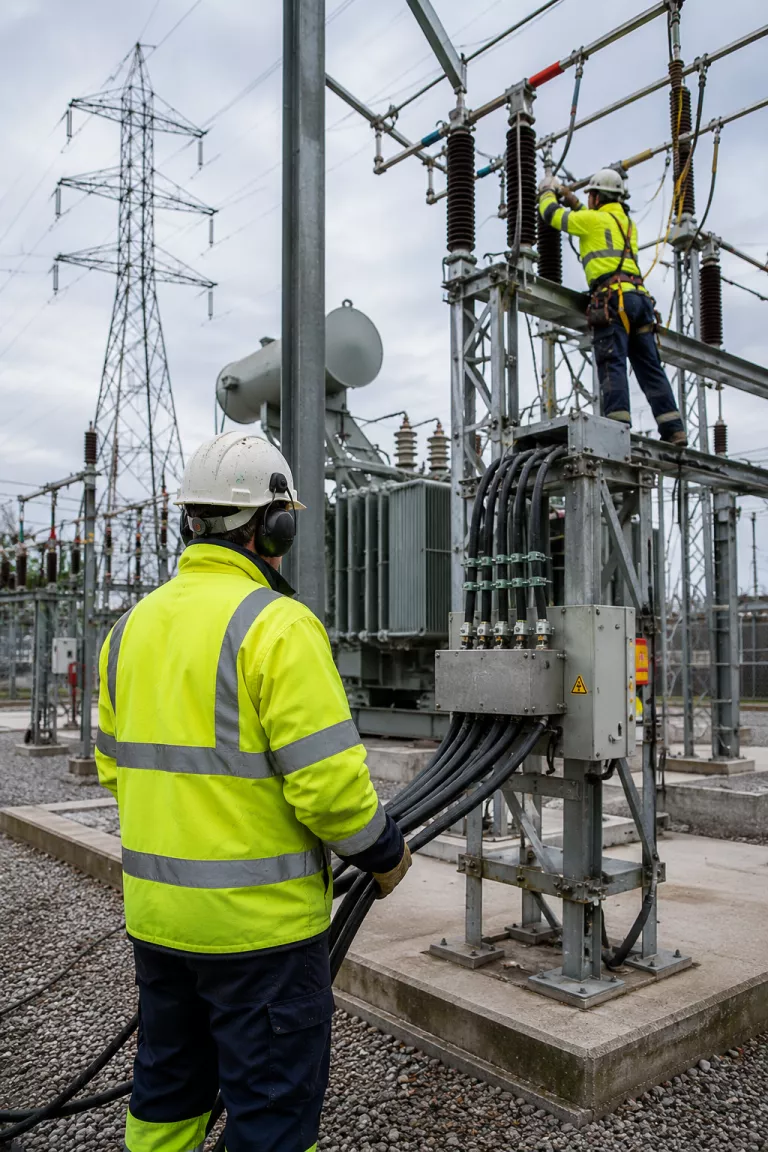
Oil & Gas: High-Risk Environments Demanding Advanced FR Fabrics
Oil and gas sites face flammable atmospheres, flash fire, hydrocarbons, and strict HSE standards in hot environments.
- Inherent flame retardant fabrics are the baseline, not optional. Nomex® fabrics range from 220 to 410 g/m² depending on protection level. Nomex and Kevlar are flame-resistant fabrics used in hazardous industries.
- Polyester-rich synthetic materials are avoided in high-flame zones because they can melt. Cotton blends with modacrylic or aramid fibres are preferred.
- Fabric weight must find the perfect balance: heavy enough for thermal protection, light weight enough to prevent heat stress.
- Anti-static fibres (EN 1149) reduce ignition risk in ATEX zones.
- Oil, grease, and chemical-repellent finishes extend garment life. Klopman's laminated fabrics are tested for 30+ washes at 75 °C.
- Specialist FR laundry programmes maintain certified protection over the garment lifecycle.
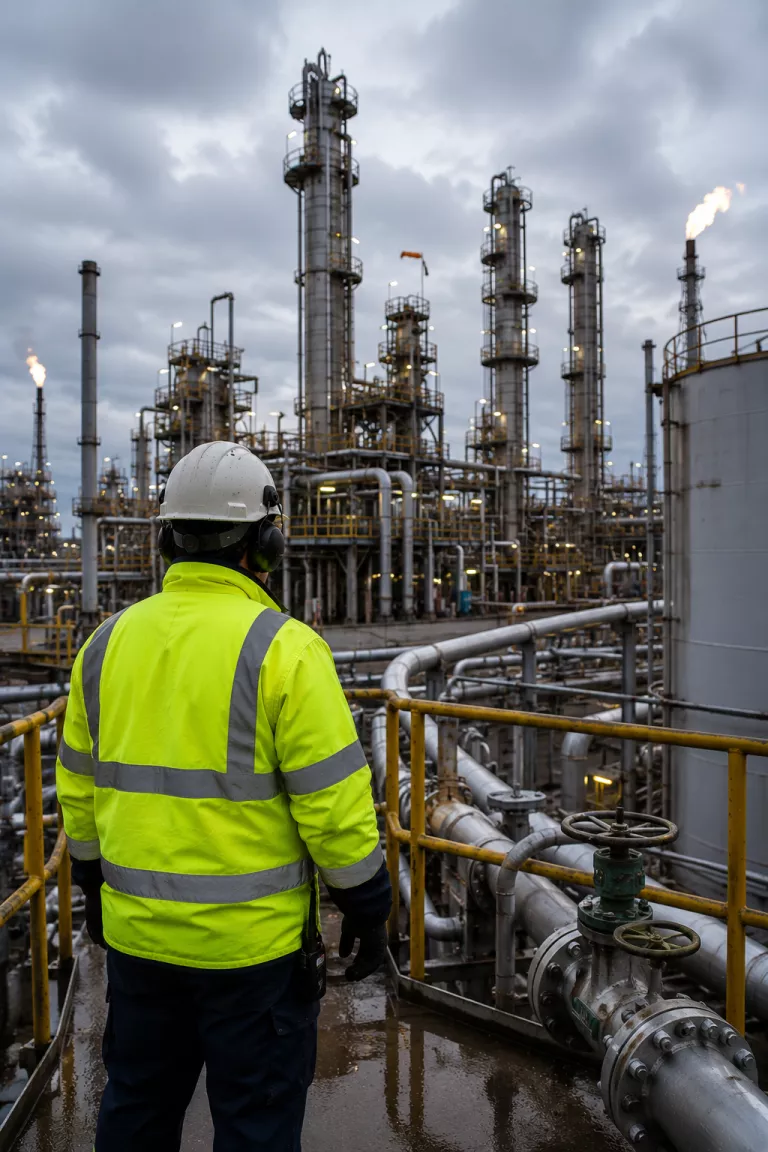
Chemical & Electrical: Balancing Chemical Resistance, Antistatic and Arc Protection
Sites include chemical production, pharmaceutical plants, battery facilities, and electrical switchgear rooms.
- For electrical work, fabrics must be arc-rated and flame retardant with integrated anti-static performance.
- In chemical plants, different fabrics resist splashes from specific chemicals while maintaining FR properties where fire risk exists.
- Multi-norm fabrics covering heat, flame, chemicals, and static avoid incompatible layering.
- Surface finishes improve resistance to acids, alkalis, and solvents - selection must match actual chemicals on site.
- Light to medium fabric weights allow ease of movement. Lyocell fibres and similar natural fabrics can offer breathability in less hazardous zones.
- All protective finishes must survive repeated industrial washing and decontamination.
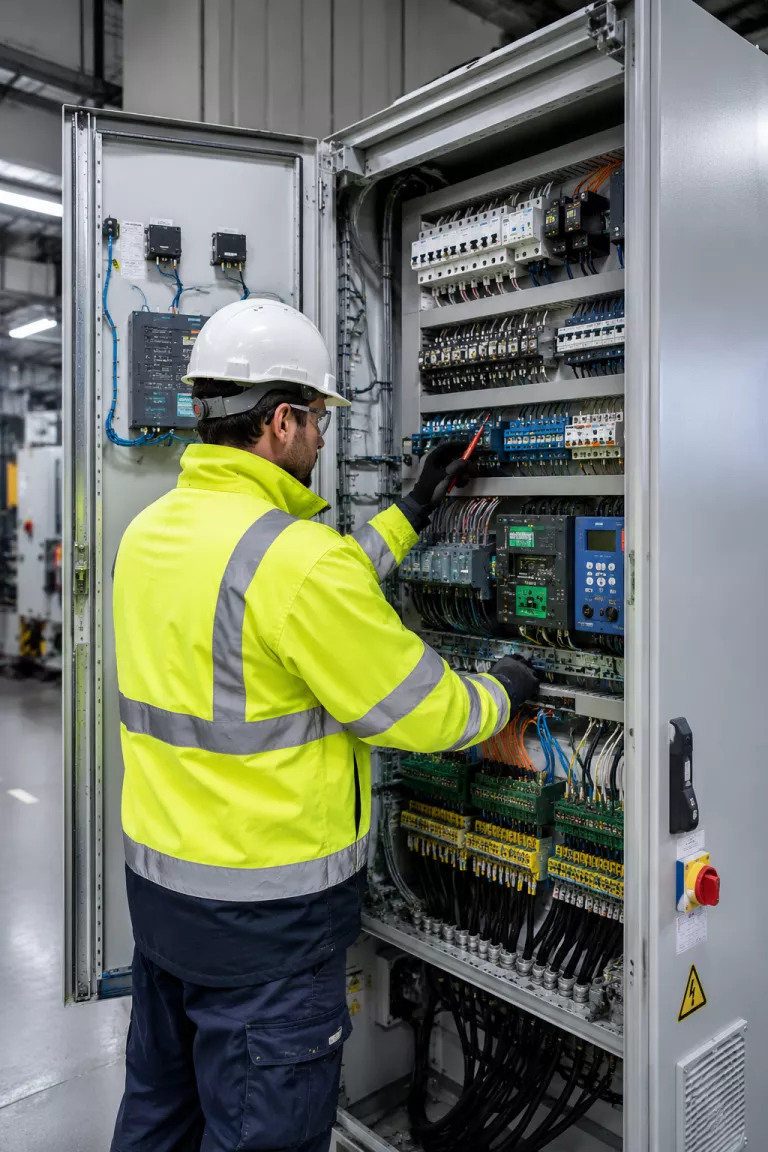
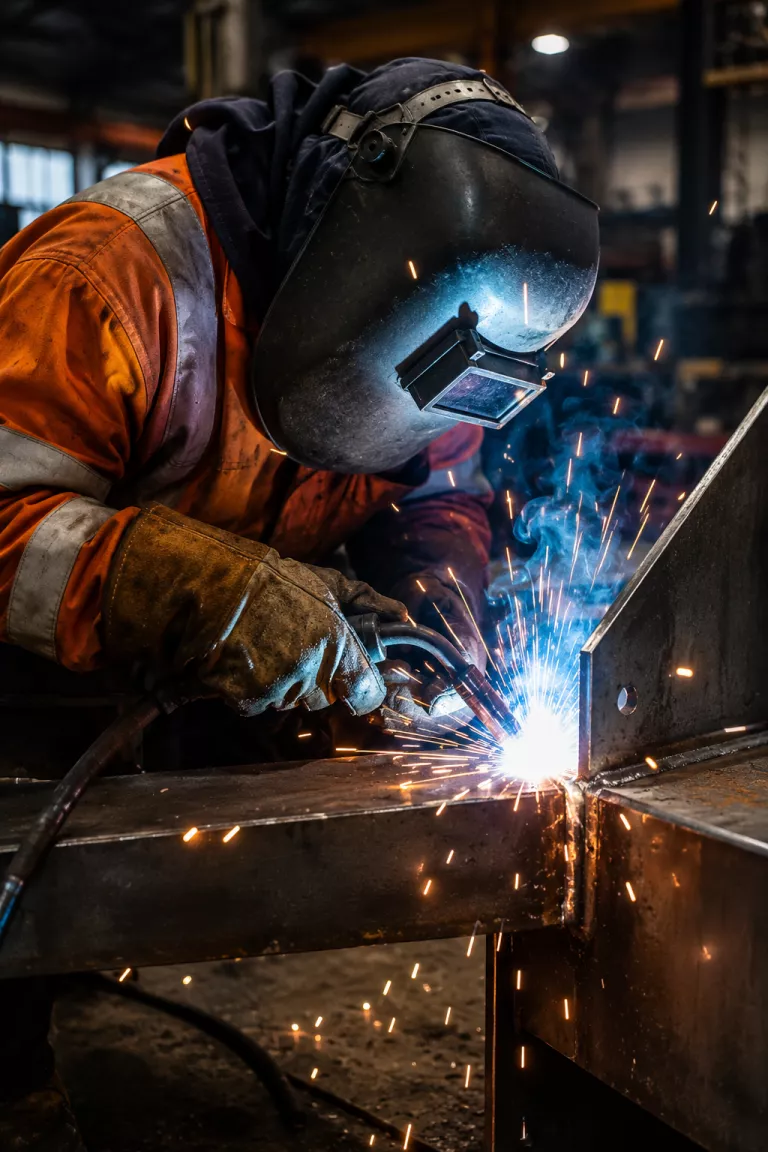
Metal & Steel: Fabrics for Sparks, Molten Metal and Extreme Abrasion
Steel mills, foundries, and welding shops present sparks, molten metal, and extreme heat.
- Heavy cotton or inherently FR fabrics (350–470 g/m²) designed for molten metal splash are essential - clearly separated from standard polyester cotton garments.
- Fabrics must resist sparks and short-term flame exposure per EN ISO 11611 (welding) and EN ISO 11612 (heat and flame).
- Very high abrasion resistance and tear strength on trousers, sleeves, and shoulders protect against sharp steel edges.
- Breathable FR cotton helps workers tolerate high radiant heat. Polyester dries faster than cotton and resists shrinking, but pure polyester is unsuitable here.
- Reinforced stretch panels help welders working in awkward positions.
- Industrial wash programmes must remove metal dust without degrading FR finishes.
Glass Industry: Fabrics for Cut, Heat and Clean Environments
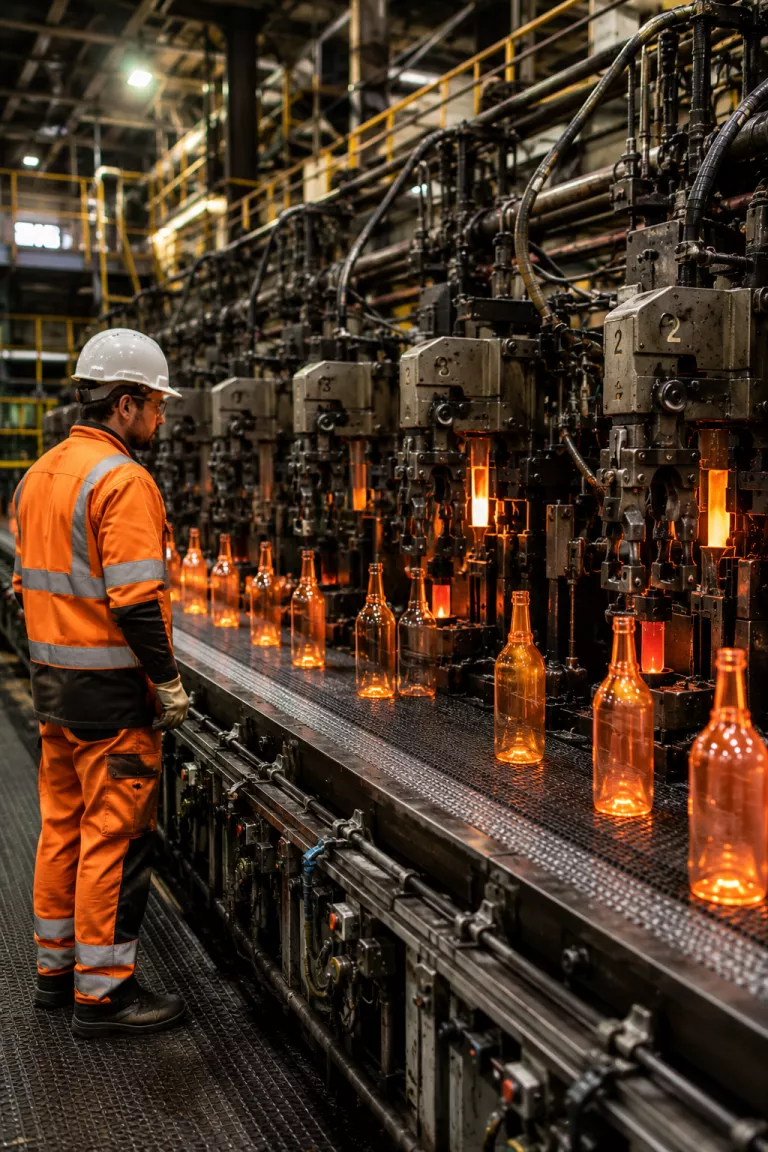
Glass manufacturing combines heat from furnaces with sharp edges from flat glass, container glass, and processing lines.
- High abrasion and cut resistance on forearms, legs, and torso is essential, sometimes combined with cut-resistant PPE.
- FR or heat-resistant fabrics near hot glass lines or lehr ovens provide protection similar to metals but often in lighter weights.
- Smooth-surface fabrics that do not shed fibres suit areas where glass quality depends on contamination control.
- Cotton rich or breathable FR blends manage heat stress while maintaining protection. Cotton absorbs moisture, soaking up twenty-seven times its weight, which affects drying - quick drying synthetic options may be an excellent choice in some zones.
- Industrial washability with minimal shrinkage keeps garment dimensions stable. Polyester dries faster than cotton and dries quickly, helping maintain garment shape.
- Selecting the right fabric reduces replacement rates where sharp glass edges damage garments regularly.
How to Make a Fabric Shortlist: Practical Steps for Selecting Workwear
Turning sector insights into action for procurement, HSE, and operations teams:
- Map work environments and tasks per role - list typical risks and exposure times.
- Translate risks into required fabric qualities: FR, anti-static, abrasion resistance, stretch, industrial washability, chemical resistance, hi-vis.
- Decide fibre types and blends - cotton, polyester cotton, cotton rich, inherent FR - and target fabric weights per garment.
- Check EN ISO norms and local regulations to ensure fabrics can be certified.
- Request real test data from suppliers: abrasion cycles, tear strength, shrinkage, colour fastness, FR performance after washing.
- Run wearer trials in real conditions for several weeks to compare comfort, durability, and acceptance across different fabrics.
A significant difference in garment lifetime and worker acceptance often comes down to choosing fabrics based on data rather than habit.
Not sure which fabric fits your production line?
Our team can help you match the right fabric to your sector's specific risks and requirements.
FAQ: Workwear Fabrics and Sector-Specific Choices
What is the most common workwear fabric for general industrial use?
Polycotton blends - typically 65% polyester and 35% cotton at 245–300 g/m² - are the most common for general industries due to durability, easy care, and acceptable comfort. They are a classic choice for many sectors but not suitable on their own for high heat or flame environments.
When do I need flame retardant or multi-norm fabrics instead of standard polycotton?
FR or multi-norm fabrics are required wherever workers face welding, open flame, molten metal, flash fire, or arc-flash risks. This typically includes oil & gas, metal & steel, parts of construction, utilities, and rail. Flame-retardant clothing is crucial in fire-risk environments - standard polycotton is not enough.
How does industrial washing affect workwear fabric performance?
Repeated washing at 60–75 °C with high alkalinity can reduce colour intensity, cause shrinkage, and degrade FR or water-repellent finishes. Always choose fabrics tested for industrial laundry. Polycotton blends typically withstand over 50 washes before degrading, but treated FR cotton may lose performance sooner.
Is 100% cotton always better for comfort than blends?
Pure cotton offers softness and breathability, but it can shrink, dry slowly, and wear out faster. Cotton polyester blends offer a better balance of comfort, durability, and quick drying for most work environments. Natural fabrics like cotton remain a suitable base, but blends often prove more practical for demanding daily wear.
How can our company communicate complex fabric choices to non-technical buyers?
Translate technical data into benefit language: "lasts 30% longer," "keeps you cooler at 30 °C," "certified protection for welders." Use websites, product sheets, and sales tools to make fabric selection accessible.
