
PFAS-free workwear fabrics: A practical guide for brands, confectioners and product developers
Since roughly 2024, pfas in textiles has shifted from a niche environmental topic to a direct commercial concern for the textile industry. Per and polyfluoroalkyl substances - often called forever chemicals - have been standard in water repellent textiles, oil-resistant coatings and stain-repellent workwear for decades. That era is closing. European public tenders, large industrial buyers and safety managers increasingly require "pfas free" or rather "no intentionally added pfas" workwear lines.
For most workwear applications, switching to PFAS-free fabrics is already possible today.
Modern fluorine-free water-repellent finishes and PFAS-free membrane systems can provide the water protection, breathability and durability required for many workwear applications. The main challenge remains applications that require strong oil, fuel, solvent or chemical repellency.
For brands, garment manufacturers and product developers, the question is therefore no longer simply “Can we remove PFAS?” but:
Where can we switch today, what performance needs to be validated, and where do technical limitations remain?
The safest approach is to define the required performance first, select the appropriate PFAS-free textile system and validate the complete garment under realistic conditions, including industrial laundering where relevant.

In this guide
- Choosing the Right PFAS-Free Workwear Fabric by Application
- What are PFAS and why have they been used in workwear?
- Health Risks and Environmental Concerns Linked to PFAS in Textiles
- Upcoming European regulations: Timelines and impact on workwear
- Where PFAS Still Show Up Today in Workwear Fabrics
- PFAS-free alternatives: Overview of today's options
- Fluorine-free finishes in workwear
- New PFAS-free coating and lamination technologies
- Technical Challenges When You Remove PFAS from Workwear
- How workwear brands should prepare for a PFAS-free future
- Implications for confectioners and garment manufacturers
- How fabric mills and finishers can support PFAS-free workwear
- PFAS-Free Workwear and the Circular Economy
- FAQ: PFAS-free workwear fabrics
Choosing the Right PFAS-Free Workwear Fabric by Application
The right PFAS-free textile solution depends on the garment's intended use. Buyers should define the required performance, request supporting evidence and determine where the finished garment needs to be revalidated.
Intended use | Needed properties | Evidence to request | Limitations / revalidation |
|---|---|---|---|
General workwear & logistics | Water repellency, comfort and basic stain resistance | Supplier declaration of no intentionally added PFAS, water-repellency data and performance after the expected washing cycles | Do not automatically assume oil repellency. Confirm the expected washing and care conditions. |
Waterproof outdoor workwear | Waterproofness, breathability and durable water repellency | Hydrostatic pressure, breathability, wash-durability data and relevant EN or ISO test results | Revalidate seams, seam tape, closures and the finished garment where these influence waterproof performance. |
Industrial laundry & rental workwear | Durable repellency after repeated washing and abrasion resistance | Performance after the expected number of industrial wash cycles, abrasion data and recommended care conditions | Laundry chemistry, temperature and finishing processes can affect performance. Test under actual laundry conditions where possible. |
Oil, grease or fuel exposure | Water repellency combined with oil and stain resistance | Oil-repellency results, wash durability and application-specific test data | This remains one of the more challenging areas for PFAS-free alternatives. Water-repellency data alone is not sufficient. |
Chemical or protective clothing | Hazard-specific protection and reliable garment-system performance | Relevant EN or ISO test reports, supplier documentation and, where required, finished-garment or system testing | A PFAS-free claim alone does not demonstrate protective performance. Revalidation or recertification may be required when materials change. |
What are PFAS and why have they been used in workwear?
PFAS (per and polyfluoroalkyl substances) are a family of synthetic chemicals characterised by strong carbon fluorine bonds that make them extremely resistant to degradation. PFAS are used for water and oil resistance in textiles - and have been since the 1950s. In workwear specifically, they appear in:
- Durable water repellent (DWR) finishes that cause liquids to bead and roll off fabric surfaces
- Oil- and stain-repellent finish for industrial, hospitality and food-processing uniforms
- Breathable membranes in waterproof workwear and personal protective equipment
Historically, long-chain (C8) pfas chemicals dominated textile production. When environmental concerns grew, shorter-chain chemistries (C6, C4) were introduced as supposedly safer. However, regulators now treat many short-chain polyfluoroalkyl substances as equally problematic due to their environmental persistence. PFAS are synthetic chemicals linked to serious health risks, and their use in the textile sector is under growing scrutiny.
Health Risks and Environmental Concerns Linked to PFAS in Textiles
PFAS are highly persistent chemicals. Their long-term presence in the environment, combined with concerns around human exposure, has increased regulatory and industry attention.
Potential health effects of PFAS exposure
Certain PFAS have been associated with effects on the immune system, increased cancer risk, hormonal disruption, liver toxicity and effects on fetal development.
In textiles, exposure considerations can include contact with treated materials as well as the release of PFAS during use, washing and abrasion.
Why PFAS pollution is an environmental problem
- PFAS do not readily break down and can persist in the environment, which is why they are often referred to as “forever chemicals”.
- PFAS can contaminate water and accumulate in wildlife and ecosystems.
- Textiles are one of the product categories in which PFAS have historically been used for water, oil and stain repellency.
- PFAS can enter waste streams during textile production, use, washing and end-of-life processing.
PFAS in textiles and wastewater
PFAS from treated textiles can enter wastewater through washing and abrasion. Some PFAS used in textile coatings may also transform over time into smaller and more mobile compounds.
This persistence is one reason regulators are increasingly addressing PFAS as a broader chemical group rather than focusing only on individual substances.
Upcoming European regulations: Timelines and impact on workwear
With global regulations tightening, workwear companies face both compliance obligations and market pressure. The regulatory landscape is moving quickly:
- EU PFHxA restriction (Regulation 2024/2462): From 10 October 2026, consumer textiles cannot exceed 25 ppb PFHxA or 1,000 ppb PFHxA-related substances. From October 2027, the ban extends to additional textile products.
- France: Multiple PFAS bans took effect in January 2026 under national law, covering clothing and footwear. France and Denmark proposed national bans on PFAS in textiles before EU-wide rules were finalised.
- REACH universal restriction: The european chemicals agency received a broad PFAS restriction proposal in 2023 from five european countries; this could eventually ban pfas across most non-essential textile uses. The EU's Chemicals Strategy aims to phase out non-essential PFAS uses. However, the EU's REACH Regulation does not yet cover polymeric PFAS in textiles.
- United States: California, New York, Maine, Vermont, and Connecticut banned PFAS in textiles. In 2026, several U.S. states enacted PFAS restrictions in textiles.
In 2026, EU-wide restrictions on specific PFAS groups will take effect. Fluorinated chemicals are being strictly phased out in many jurisdictions, and many regions are phasing out PFAS in consumer products and textiles. Companies face health and legal risks from tightening global regulations on PFAS. Eliminating PFAS helps reduce long-term environmental contamination.
For workwear, the practical distinction matters: consumer textiles (B2C workwear sold in retail) fall under current restrictions, while some high-risk PPE for civil security professionals may qualify for temporary "essential use" exemptions. Governments worldwide are narrowing those exemptions. Regulatory readiness now means building documentation, chemical inventories and proof of pfas free claims for tenders and audits.
Where PFAS Still Show Up Today in Workwear Fabrics
Most brands phased out C8 pfas chemicals by the early 2020s, but pfas based finishes remain common in specific fabric categories:
- Water-repellent polyester/cotton blends for outdoor workwear and outdoor apparel
- Softshells and 3-layer laminates for EN 343 rainwear
- Stain-resistant hospitality and industrial uniforms
- High-performance protective fabrics for firefighters, petrochemical environments and liquid chemical exposure - where PFAS in membranes, coatings or barriers deliver oil and chemical repellency
- High-visibility jackets and reflective outer shells requiring water repellency after 20–50 industrial washes
Most brands have actively phased out PFAS across most ranges, but their Apex chemical splash line still retains PFAS because no adequate pfas free alternative exists for certain chemical resistance parameters. Over half of disposed textiles in Europe go to landfill or incineration, compounding the problem when those textile products contain persistent chemicals.

PFAS-free alternatives: Overview of today's options
PFAS-free alternatives are increasingly developed for workwear. Modern PFAS-free coatings can provide effective water repellency for many applications. Innovative natural and synthetic materials are being used as replacements for PFAS coatings, and the range of viable options is growing:
- Fluorine-free DWR: hydrocarbon, silicone, polyurethane, wax or blend-based systems
- PFAS-free membrane and laminate systems: polyurethane, polyester and polyether-block-amide membranes
- Inherently repellent materials: certain wools, waxed cottons and densely woven constructions
For most workwear needing water repellency (EN 343, light splash protection, everyday stains), pfas free finishes already meet performance requirements. Oil, fuel and heavy chemical repellency remains a harder challenge.
Comparison of PFAS-free water-repellent chemistries in workwear
Different PFAS-free technologies offer different levels of water repellency, wash durability and cost. The table below compares common alternatives.
Chemistry | Water repellency | Wash durability | Cost | Notes |
|---|---|---|---|---|
Polyurethanes | Highest among alternatives | Good | Higher | Polyurethanes provide the highest water repellency performance among alternatives. |
Linear polyacrylates | Good | Moderate | Lower | Linear polyacrylates are a more economical alternative to polyurethanes. |
Paraffin / plant-based waxes | Excellent initial | Moderate | Low | Paraffin and plant-based waxes offer excellent initial water repellency. |
Silicone-based | Good | Excellent in dry-cleaning | Medium | Silicone-based repellents provide excellent wash durability in dry-cleaning. |
Bio-based waxes | Good | Moderate | Medium | Bio-based waxes can provide water and oil repellency without fluorocarbons. |
Silicone- or paraffin-based finishes provide water repellency with lower environmental impact than pfas chemicals. Densely woven fabrics can offer protection without chemical coatings entirely.
Workwear categories already using Fluorine-Free finishes at scale include logistics jackets, softshells for service staff, light construction outerwear, outdoor clothing and corporatewear. In rental and leasing models, re-impregnation after 10–20 industrial washes may be needed to restore desired properties.
New PFAS-free coating and lamination technologies
Beyond surface DWR sprays, workwear increasingly relies on multi-layer systems. Advanced polyurethane membranes, polyester membranes and polyether-block-amide coatings are emerging as pfas free alternatives for waterproof-breathable new textiles. Several European mills now offer 2- and 3-layer laminates with pfas free membranes and outer Fluorine-Free finishes meeting EN 343 Class 3:3 for rainwear.
Recycled polyester fabrics may be treated with fluorine-free waterproof technologies, combining sustainability goals with chemical safety. Sustainable cotton and plant-based waxes are used to create pfas free garments in lighter-duty applications. Trade-offs exist: sometimes slightly lower oil repellency, potential changes in breathability and different ageing profiles compared to legacy systems.
Product developers should test complete garment systems - including seams and tapes - not just lab swatches, before switching collections. This is where collaboration between fabric suppliers, brands and confectioners becomes essential.
Technical Challenges When You Remove PFAS from Workwear
Switching to pfas free finishes is not without engineering challenges. Product managers and designers should plan for:
Water repellency
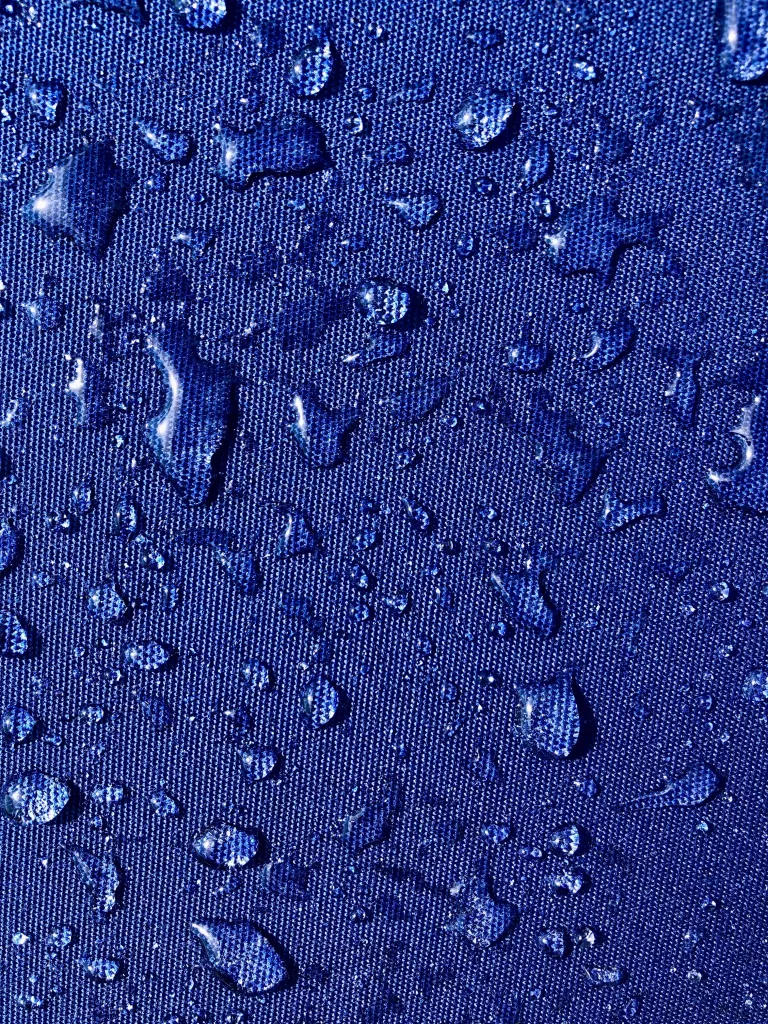
Maintaining high spray test values and hydrostatic head after repeated washing, abrasion and dirt exposure is harder without pfas based finishes. PFAS-free alternatives can lose effectiveness after repeated washing.
Oil and chemical repellency
PFAS-free oil repellency is a major challenge in textile finishing. Hydrocarbons, fuels and industrial oils are difficult to repel with fluorine-free chemistries. This directly impacts specifications for petrochemical, food-processing and firefighting PPE.
Durability and wash resistance
Industrial laundering at 60°C with strong detergents can degrade pfas free finishes faster than legacy PFAS systems.
Consistency
Pfas free finishes must perform equally on dark and light colourways, different fibre blends and across multiple suppliers - this requires robust process control throughout textile supply chains.
How workwear brands should prepare for a PFAS-free future
A pfas free future requires structured action, not reactive scrambling. As a practical checklist:
- Map your portfolio: Identify where pfas use exists by fabric type, supplier, end use and geography. Prioritise high-volume, lower-risk categories for early conversion.
- Build a roadmap: Align milestones with EU timelines (2026–2030), including design freeze dates, wearer trials and certification updates.
- Engage suppliers: Specify "no intentionally added pfas" and obtain declarations, test reports and third-party certifications supporting pfas free claims.
- Update communication: Datasheets, catalogues, websites and tender documents should clearly present performance benefits, test data and any trade-offs.
Employers should ensure pfas free garments meet protective clothing standards before deployment. PFAS-free workwear is part of a broader industry movement for safety and sustainable innovation. The growing awareness among consumer expectations and procurement teams means brands that lead on this will win tenders.
Implications for confectioners and garment manufacturers
Even if confectioners do not develop chemistry themselves, they play a crucial role in successful pfas free implementation:
- Cutting, sewing and heat processes can affect membrane performance and seam sealing with new pfas free laminates - updated sewing parameters and seam tapes may be required.
- Re-validate critical seams, zips and welds for waterproofness and chemical protection when changing from pfas based to pfas free fabrics.
- Coordinate closely with laundries and rental partners to understand how pfas free garments behave in real wash cycles and adjust care labels accordingly.
- Document all material and process changes so brands can respond to customer questions about pfas free claims and compliance at every point in the supply chain.
How fabric mills and finishers can support PFAS-free workwear
Mills are key innovation partners for textile manufacturers moving away from PFAS:
- Develop standard pfas free workwear ranges (common polyester/cotton weights with fluorine-free DWR) that already pass typical EN tests, reducing lead times for brands.
- Provide transparent technical data: PFAS test reports (using total fluorine or hydrolysis methods, not just extraction), spray ratings, hydrostatic head, oil repellency and wash durability under realistic workwear conditions.
- Optimise finishing processes (pick-up rates, curing temperatures, drying profiles) for Fluorine-Free chemistries to balance repellency, handfeel and high cost pressures.
- Run joint wearer trials where mills, brands and laundries monitor pfas free fabric performance over 6–12 months in real working environments.
PFAS-Free Workwear and the Circular Economy
Pfas free workwear is also a lever for a more circular economy - not just a compliance issue. PFAS in textiles complicates reuse and recycling because contaminated fibres spread persistent chemicals through mechanical or chemical recycling streams. Pfas free fabrics make it easier to design garments for longer life, remanufacturing and closed-loop recycling.
Materials like organic cotton are naturally pfas free unless treated with repellents, and merino wool generally does not require PFAS treatments for moisture management. These fibres support bio based and circular design strategies.
Future EU Ecodesign and digital product passport requirements could include information on PFAS content, supporting better sorting and traceability. Workwear brands with rental, leasing or take-back models benefit commercially from pfas free designs by reducing the risk that contaminated water repellent textiles become problematic waste. Addressing pfas in textile manufacturing directly supports sustainability goals.

PFAS-FREE TRANSITION
A practical PFAS-free transition checklist
For workwear brands and product developers, a structured transition reduces both technical and commercial risk.
Map your current portfolio
Identify which fabrics, coatings and membranes currently contain intentionally added PFAS.
Prioritise high-volume applications where alternatives are already technically mature.
Define the required performance
Determine what the garment actually needs to resist: rain, stains, industrial washing, oils, fuels, chemicals or a combination of these.
Avoid replacing chemistry before establishing these requirements.
Discuss alternatives with your fabric supplier
Ask for PFAS-free constructions that have already been developed for comparable workwear applications.
Request documentation
Collect declarations, technical datasheets and relevant test results supporting both PFAS claims and performance requirements.
Test under realistic conditions
Include washing, abrasion, seams and garment construction where these influence end-use performance.
Run production or wearer trials where necessary
Higher-risk or high-volume programmes may benefit from validation in actual working conditions.
Update product documentation
Review technical datasheets, care instructions, tender documentation, product descriptions and other customer communication.
Planning your transition to PFAS-free fabrics?
Concordia helps brands and confectioners map their PFAS exposure and validate fluorine-free alternatives that hold up in real conditions.
Talk to our teamworkwear fabrics
Read more about this:
FAQ: PFAS-free workwear fabrics
Practical answers to common questions about sourcing, performance, verification and the transition to PFAS-free workwear.
Combine supplier declarations stating “no intentionally added PFAS”, detailed chemical inventories and independent lab testing.
For high-risk or high-volume fabrics, request total fluorine analysis or targeted PFAS screening rather than relying only on basic extraction methods.
Third-party certifications can support due diligence, but should not fully replace direct verification for critical product lines.
For applications focused on water repellency and basic stain resistance, modern PFAS-free finishes can provide performance close to established technologies.
For high-risk environments requiring strong oil, solvent or chemical repellency, such as petrochemical PPE, performance gaps may remain.
PFAS-free garments should therefore be validated against the relevant EN or ISO standards and, where appropriate, through pilot programmes before full rollout.
No. PFAS-free fabrics can support reuse and recycling, but other factors such as fibre blends, dyes, trims and contamination from workplace chemicals still influence recyclability.
PFAS-free should therefore be treated as one part of a broader circular product strategy that can also include mono-material design, durability, repairability and take-back systems.
Use clear and practical communication explaining why the company is moving towards PFAS-free finishes and what the change means for garment performance and care.
Where customers are concerned about reduced protection, support claims with relevant test results and real-world validation.
Consistent communication across labels, care instructions, sales materials and digital channels helps avoid confusion during the transition.
